







ballbearings
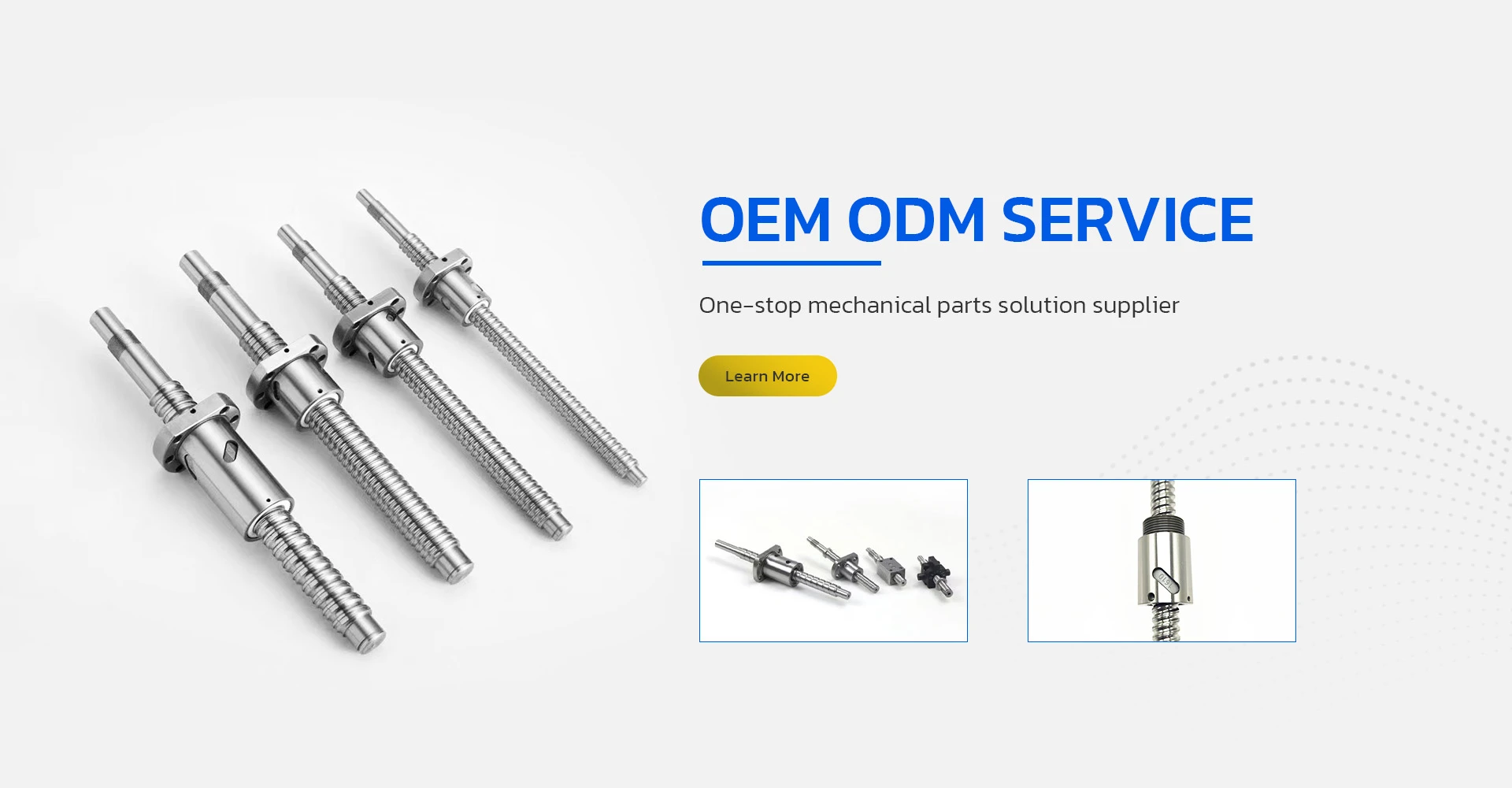
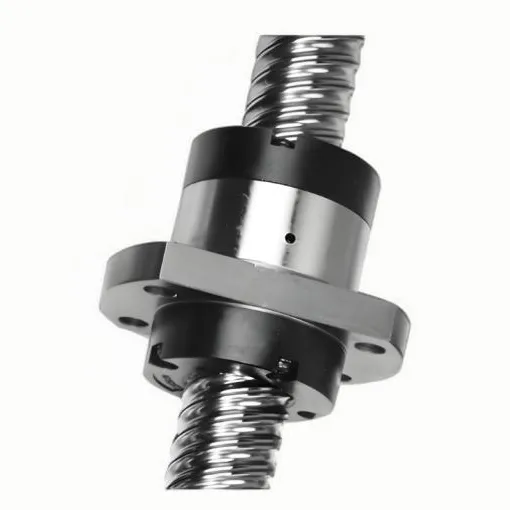
Featured Ball Spline Solution LBS Ball Screw Nut And Ball Spline Shaft-LBS30UU Key Specifications: High-precision transmission, multi-directional load-bearing capacity, efficient power transmission. Applications: Z-axis drive for automation equipment, automotive steering systems, positioning mechanisms for high-speed printing machines. Explore Ball Spline Solutions "Ball splines represent a significant evolution in linear motion technology, combining the efficiency of rolling elements with the precision required for advanced automation." - International Journal of Mechanical Engineering Understanding Ball Spline Technology A ball spline is a precision mechanical component that transmits motion and power through the cyclic rolling of balls in precisely machined spline grooves. Unlike traditional splines, ball splines utilize recirculating ball bearings to minimize friction while maximizing precision and load capacity. The fundamental components include: Spline Shaft - Precision-ground cylindrical shaft with helical grooves Spline Nut/Sleeve - Housing containing ball recirculation channels Precision Balls - High-grade steel balls for efficient rolling contact Sealing System - Protective barriers against contaminants Modern industrial applications increasingly demand the unique capabilities of ball spline systems. A recent study published in the Journal of Linear Motion Systems (2023) confirmed that properly maintained ball spline assemblies show a 40% reduction in energy consumption compared to traditional linear bushings when implemented in robotic applications. Ball Spline vs. Alternative Linear Motion Systems Parameter Ball Spline Ball Screw Linear Bushings Roller Guides Load Capacity (Radial) Very High Medium Low High Axial Stiffness High Very High Low Medium Precision (Positioning Accuracy) ±0.005mm ±0.003mm ±0.05mm ±0.01mm Simultaneous Rotation/Translation Yes No No Limited Maximum Speed 5m/s 3m/s 2m/s 4m/s Lifespan Under Optimal Conditions 20,000+ hrs 15,000+ hrs 8,000+ hrs 15,000+ hrs Torsional Rigidity High Medium Low High Technical Performance Trends Ball Spline Applications in Modern Industry Industrial Robotics Precision 6-axis robotic arms utilize ball splines in their joints for simultaneous rotation and linear movement. According to Robotics Automation Journal, this combination improves positioning repeatability by 0.002mm. Automotive Steering Systems Electric power steering mechanisms increasingly incorporate ball splines to handle torque and steering position feedback, improving responsiveness while reducing backlash to under 0.1°. Semiconductor Manufacturing Wafer handling robots rely on ball spline systems for contamination-free movement in clean room environments, achieving position accuracy of ±2 microns at speeds exceeding 1.5m/s. "The integration of high-precision ball spline systems has been fundamental to achieving micron-level positioning in next-generation lithography equipment." - Proceedings of the Precision Engineering Society Technical Specifications: Key Parameters ⌀ Shaft Diameter Standard sizes: 15mm, 20mm, 25mm, 30mm (LBS series) Custom diameters up to 120mm available ⚖ Load Capacities Dynamic load: 7.5kN - 65kN Static load: 15kN - 145kN ⌖ Precision Grades Standard Grade: ±0.015mm/300mm Precision Grade: ±0.005mm/300mm ⏱ Speed Ratings Maximum linear speed: 5m/s Maximum rotational speed: 500rpm ? Material Specifications Shaft: Chromium-molybdenum steel (SCM435) Ball bearings: AISI 52100 chrome steel ? Torque Transmission Maximum torque: 50Nm - 850Nm Torsional stiffness: 10 Nm/arcmin - 175 Nm/arcmin Professional FAQ: Ball Spline Technology What materials are optimal for ball splines in corrosive environments? For highly corrosive applications, we recommend martensitic stainless steel (SUS440C) shafts combined with specialized coating treatments that achieve over 500 hours in salt spray tests without performance degradation. What torque specifications must be considered when sizing ball splines? Ball spline sizing requires evaluating both continuous torque (T cont ) and peak torque (T peak ) with a minimum safety factor of 1.5. Additionally, torsional rigidity requirements for the application must align with the spline's angular deflection specification. How do installation tolerances affect ball spline performance? Proper mounting alignment is critical. Shaft misalignment should not exceed 0.05mm/100mm and angular misalignment should stay below 0.05°. Noncompliance can reduce bearing life by up to 70% according to ISO 14728 installation standards. What lubrication protocols ensure maximum ball spline longevity? We recommend initial lubrication with ISO VG 32 mineral oil-based grease containing EP additives. Relubrication intervals depend on operational conditions: high-speed applications (50hrs), normal conditions (200hrs), low-speed (500hrs). Extreme environments require specialized formulations. How do preload classes impact ball spline performance characteristics? Preload classifications (P0, P1, P2) determine rigidity and backlash characteristics. P0 (standard clearance) has 0.05mm-0.1mm backlash for general applications. P2 (heavy preload) achieves near-zero backlash (<0.005mm) but increases friction torque by approximately 25%. What certifications should manufacturers provide for industrial ball spline applications? For critical applications, manufacturers should provide ISO 9001 certification, material traceability documentation, load test certificates per DIN 5480 standards, and RoHS compliance verification when applicable. How do dynamic load ratings correlate with operational lifespan? The basic dynamic load rating (C) determines the load capacity for a nominal life of 100,000 meters travel. Actual lifespan (L) is calculated as L = (C/P) 3 × 100km, where P represents the actual radial load. Temperature, vibration, and contamination factors require additional adjustment. Partnering with a Leading Ball Spline Manufacturer At HEBEI YIDI IMPORT AND EXPORT TRADING CO., LTD., we've established ourselves as a premier ball spline manufacturer with ISO-certified production facilities covering 25,000m². Our comprehensive capabilities include: CNC grinding precision up to 0.001mm tolerance Dedicated metrology laboratory with CMM and surface analysis equipment Custom ball spline design services with FEA simulation In-house heat treatment with controlled atmosphere furnaces Complete product testing including accelerated life testing Our LBS Ball Spline Nut and Ball Spline Shaft series are particularly suitable for demanding industrial applications requiring high-precision linear and rotational motion synchronization. "Comprehensive testing by the Linear Motion Engineering Consortium confirms that precision ground ball splines can reduce positional hysteresis by approximately 40% compared to broached spline alternatives in servo-controlled applications." - Report from the Linear Motion Engineering Consortium (2023) Industry Resources & Technical References Further Reading: International Standards for Linear Motion Systems - ISO 14728:2015 "Precision Ball Spline Selection Guide" - Linear Motion Engineering Handbook (2022 Edition) ASME B5.54-2005 Standards for Motion Control Components Advances in Linear Motion Technology - Machine Design Magazine (2023) SAE J670 Vehicle Dynamics Terminology (including steering systems) "Tribology of Recirculating Linear Systems" - Society of Tribologists and Lubrication Engineers (STLE) Publication 2023 Robotics Market Analysis - Robotic Industries Association Expert Consultation: Connect with our engineering team for application-specific ball spline solutions Request Technical Specifications
Our Bearings And Technology
One-stop linear motion supplier, product solution provider
ball screws for sale
Ultimate Guide to Ball Screw Technology: Market Trends, Tech Specs & Customization The ball screw is a critical motion-control component transforming linear and rotary movement with exceptional efficiency, accuracy, and durability. Ball screws are widely used across industries ranging from CNC machinery, robotics, automotive, semiconductor, to energy and heavy equipment. With ongoing innovations i
rack and pinion in lathe machine
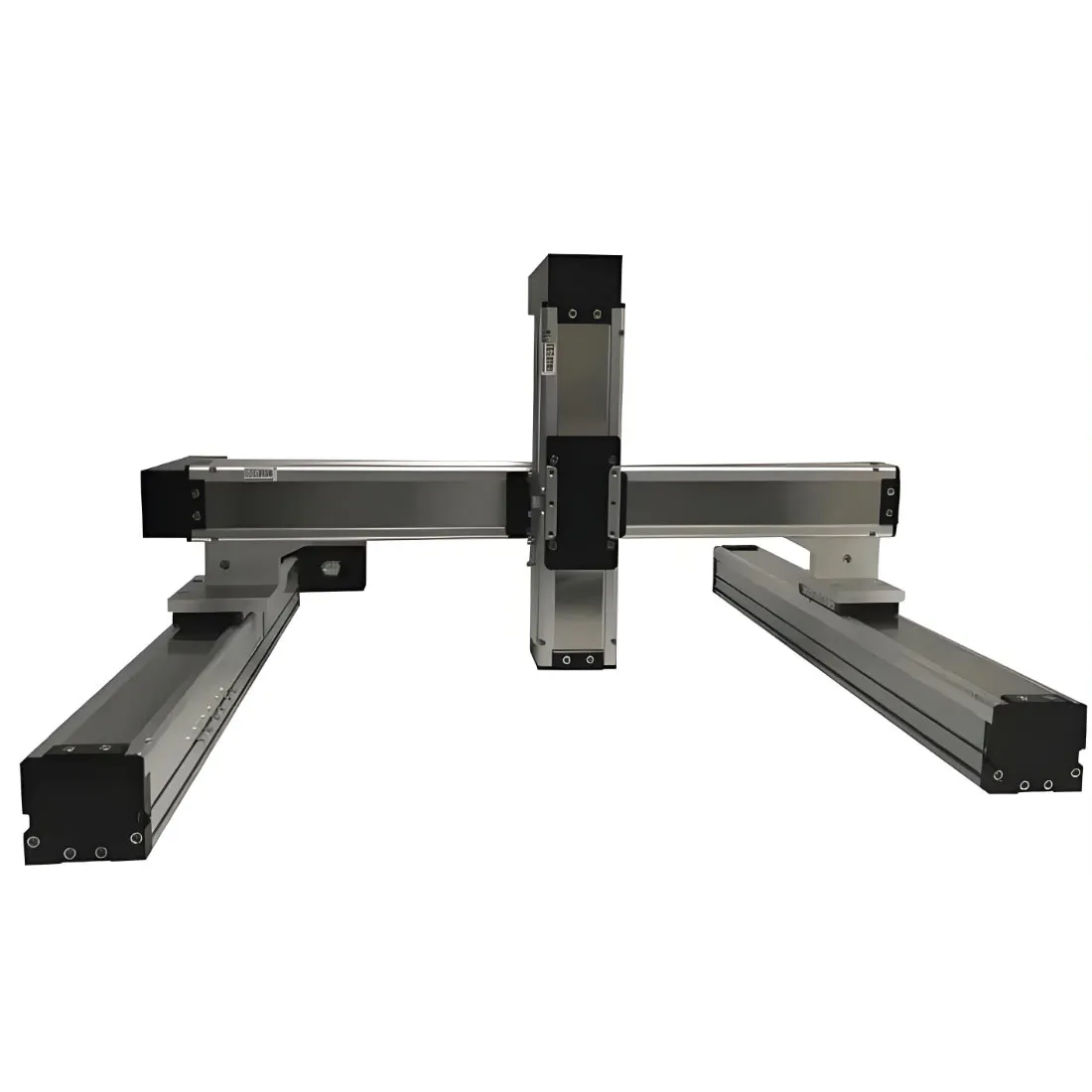
In the realm of linear motion technology, gear and rack systems stand as fundamental components, enabling smooth, controlled movement in countless industrial applications. From machinery to automation, these systems convert rotational motion into linear motion, powering everything from manufacturing lines to precision equipment. Among the key players in this field are rocket pinion designs and rac
ball bearings
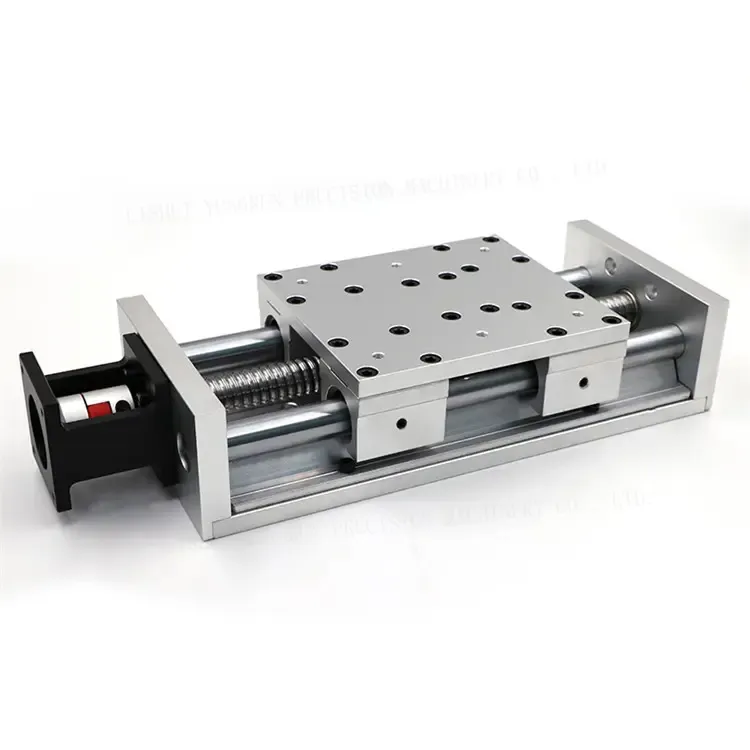
In the world of machinery and mechanical systems, bearings are the unsung heroes that enable smooth motion, reduce friction, and support loads across countless applications. From industrial equipment to precision instruments, the right bearing can mean the difference between efficient operation and costly breakdowns. Among the diverse range of options, bearing types vary significantly in design an
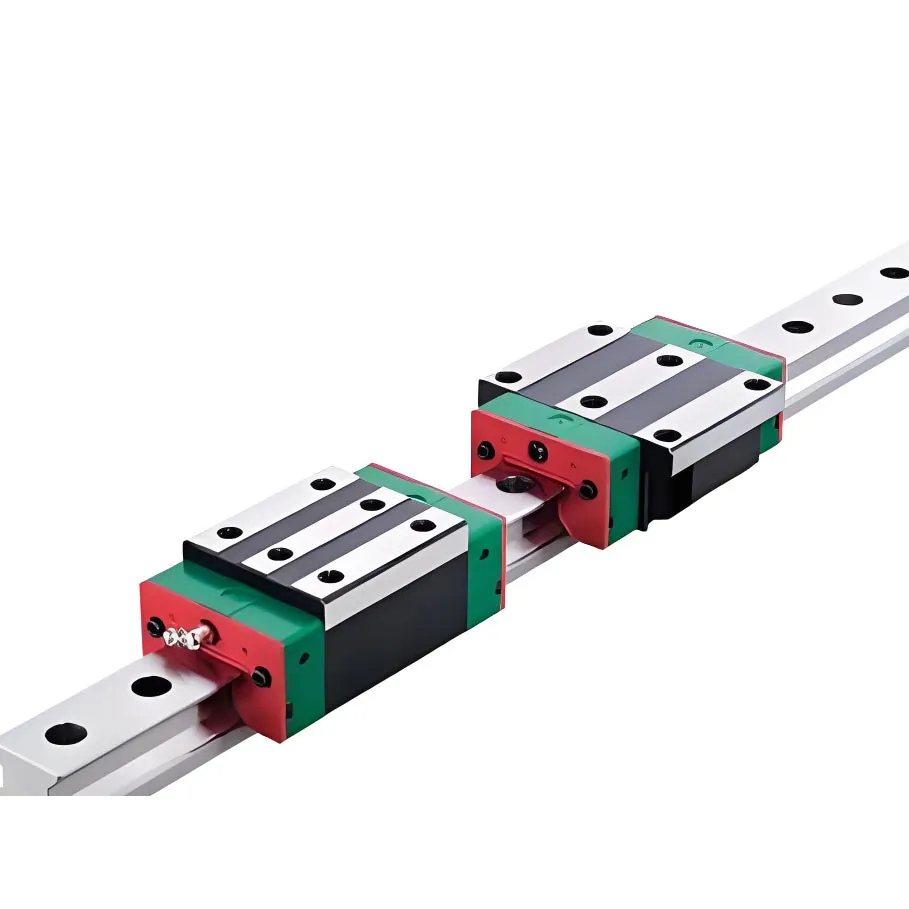
centre bearing
Understanding the Evolving Landscape of Bearing Linear Guides In the realm of industrial automation and precision machinery, the bearing linear guide stands as a foundational component, enabling smooth, accurate, and repeatable linear motion. These critical devices are indispensable for applications demanding high rigidity, exceptional load-carrying capacity, and extended operational life. As indu
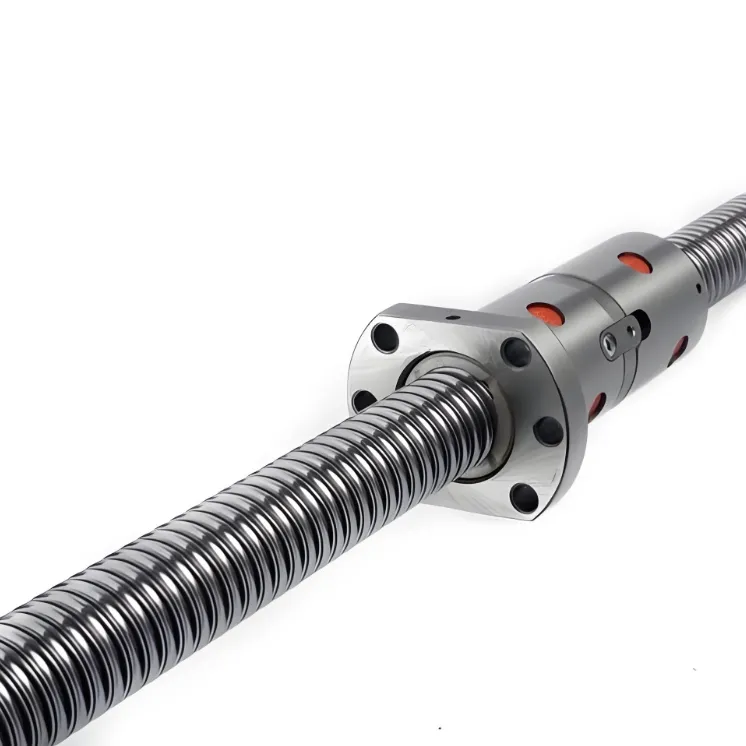
YIDI MOTION offer v good service. Delivery: Very fast Quality: High performance Service: Help me much with my products The ball screw is well, I use it on my machine, worke properly.

When picking a supplier we balance price, quality, professionalism, and lead time. Although your quote is not the cheapest, we value your professionalism and expertise in making ball screws.so we choose YIDI as our final supplier

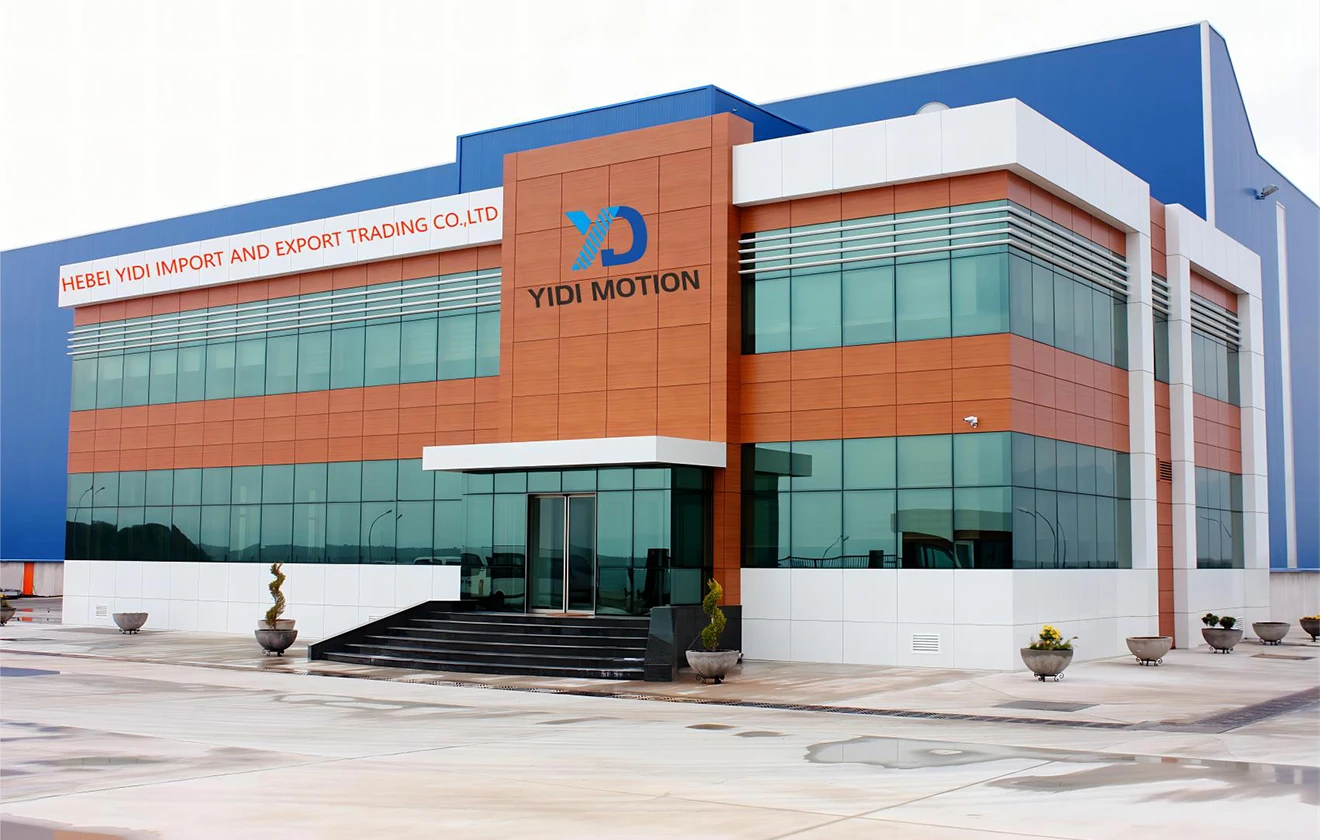
I have visited Yidi Company last year, they can provide a lot of laser equipment accessories, professional is very good, and to our new products to provide very good solutions

We repair a lot of screw, the number is small, Yidi can order a piece, and according to our drawings machining shaft end, perfect for our equipment, this service is great

Compared With Traditional Sliding Screws, Ball Screws Transmit Power Through Rolling Friction, With A Mechanical Efficiency Of More Than 90%, Which Significantly Saves Energy. With Extremely Small Backlash And Predictable Linear Motion Accuracy, They Are Suitable For High-Precision Cnc Equipment, Automated Machinery And Other Scenarios.
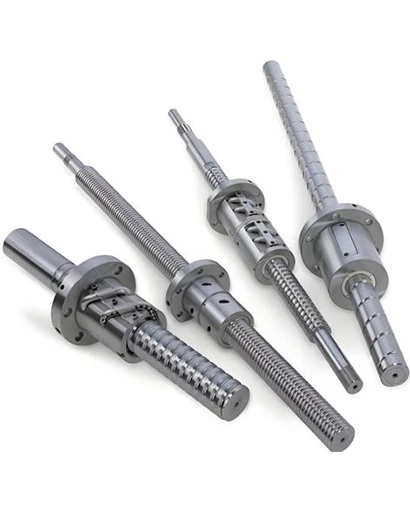
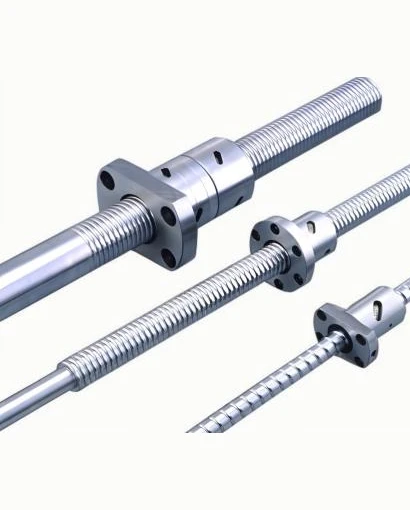
Quickly find the problems you encounter most often
Follow Our Blog
Gear And Rack is a key solution in the manufacturing industry, specifically within General eq
2026-06-16 07:22
Gear And Rack is a key solution in the manufacturing industry, specifically within General eq
2026-06-16 06:21
Gear And Rack is a key solution in the manufacturing industry, specifically within General eq
2026-06-16 04:50


